
8 Must-Play JRPGs for People With Real-Life Schedules
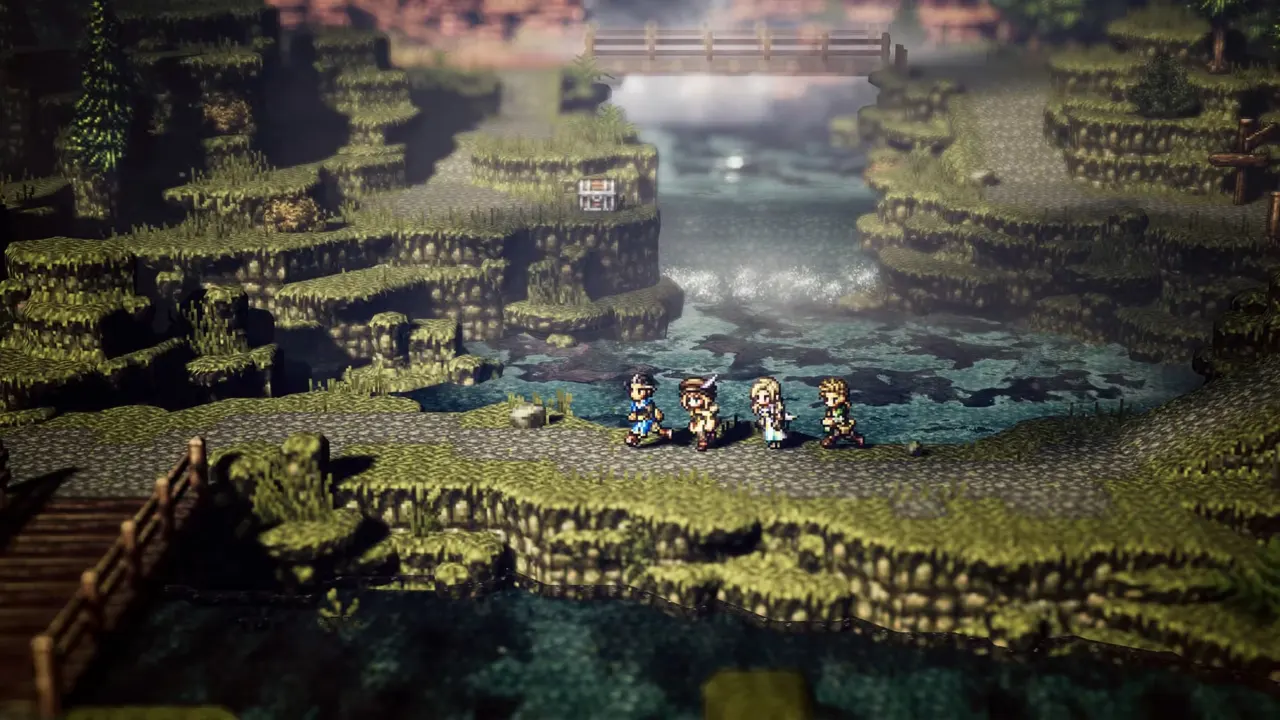
Your party will wait at the next save point
It’s 9:15 on a Wednesday night. The dishes are done. You have about 45 minutes before bed, and you’re a JRPG fan (or you were, when you had more time). JRPGs tend to demand dozens of hours from players — and they can make it very difficult to pause, as some of them will interrupt you with a battle every few steps.
But there are some games in the genre you can bend to fit your week. These eight JRPGs split their stories into chapters, let you switch off random battles, speed up fights, or save almost anywhere. Even if you press start at 9:20, you can still be in bed by 10.
8 Dragon Quest 11: Echoes of an Elusive Age
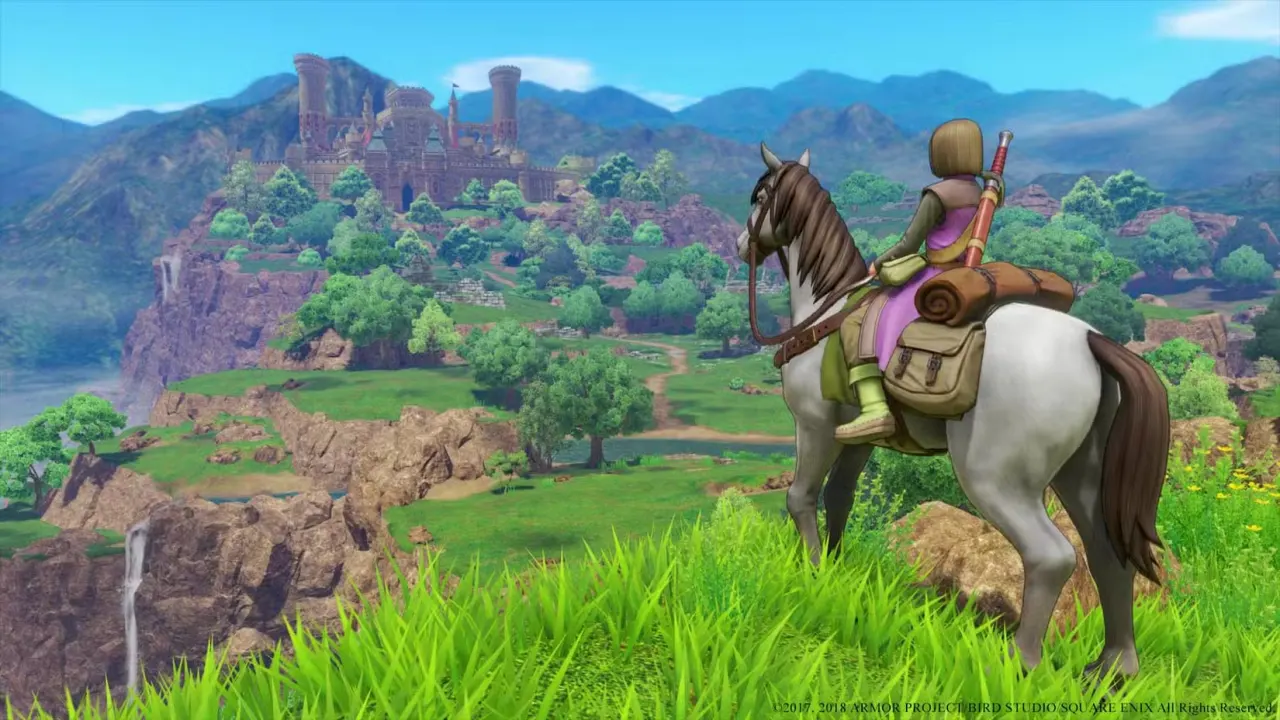
Time to beat: 86 hours
How do you finish an RPG that can run past 100 hours when you have only 30 spare minutes — on a good night? Dragon Quest 11: Echoes of an Elusive Age can do it, as long as you play it in small pieces. You’re the Luminary, a silent hero raised in the village of Cobblestone who learns he's the reincarnation of a legendary hero destined to fight the Dark One. Your trip across the bright, friendly land of Erdrea builds a party one self-contained chapter at a time, each with its own local problems to solve. To make this big game work in small doses, pick either 3D mode or 2D mode and stay there. (Progress carries over poorly when you switch.) You can also raise the battle speed, which can make fights up to three times faster and cuts down on grinding. Then save at a Sacred Stone, and treat each stop as a chapter break.
7 Bravely Default: Flying Fairy HD Remaster
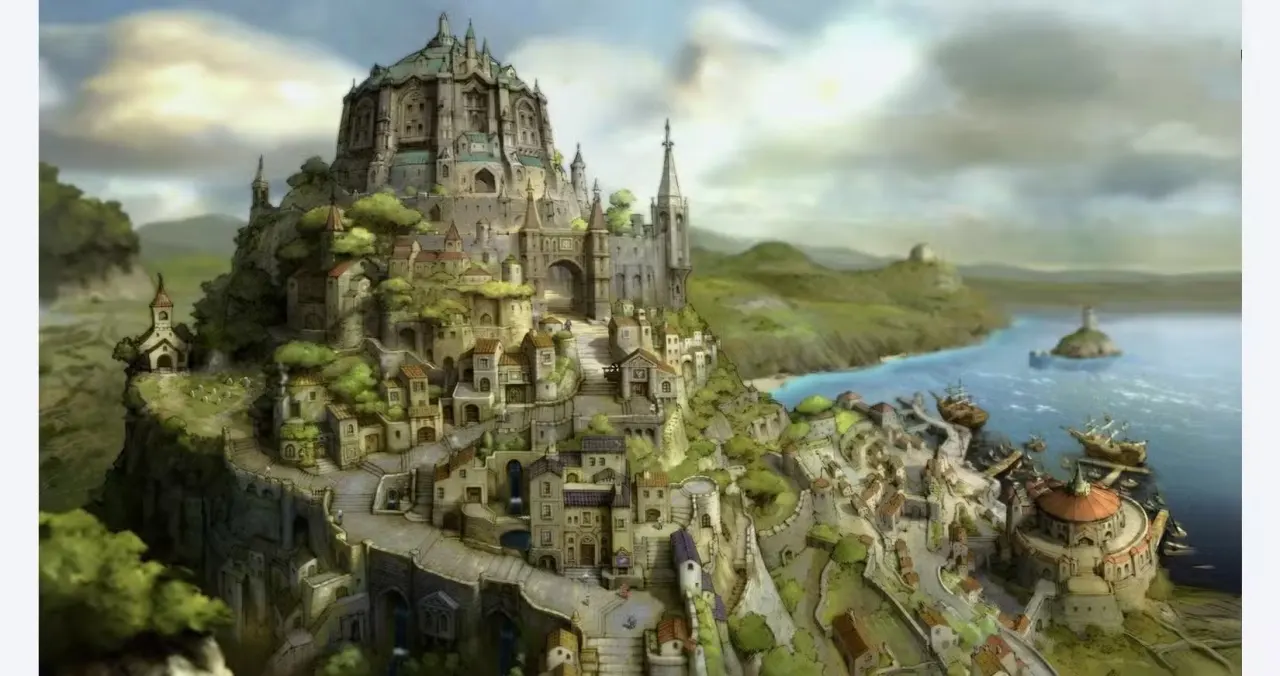
Time to beat: 72.5 hours
This game opens with a disaster: the Great Chasm swallows a village, and a shepherd named Tiz is the only survivor. You play as Tiz, who teams up with Agnes, a vestal of the Wind Crystal, to free four elemental crystals that darkness has swallowed. Edea, a defector from the Eternian Sky Knights, and Ringabel, an amnesiac who carries a journal that seems to record future events, join the party along the way.
This remaster explicitly hands you the controls for your schedule. You can set the encounter rate from 50 to 200 percent at any time on the field map, push battle speed to 4x, and let auto-battle repeat your last actions. Turn the dial to match whatever time and energy you happen to have when you’re ready to play.
6 Final Fantasy Pixel Remasters
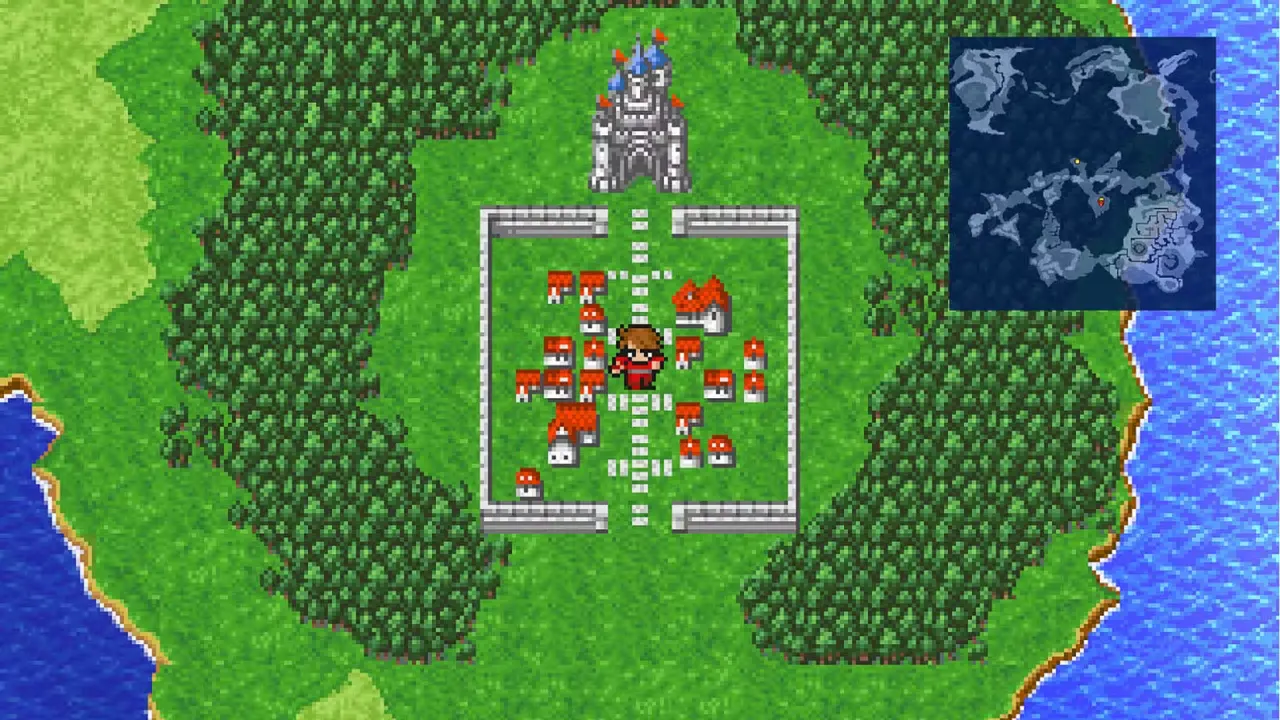
Time to beat: Between 15-30 hours per game
Random battles are the reason many people bounce off old JRPGs. The Final Fantasy Pixel Remaster series gives you a switch for those random encounters, so — problem solved. The series remasters Final Fantasy 1 through 6 in 2D pixel art. Start with the first game, where four heroes of light must save the world by recovering four elemental crystals from castles, towers, and mountains. As you wend your way through the game’s dungeons, pull up the Boost menu. With it, you can turn random encounters on or off at any time and raise EXP, gil, and ability point gains up to four times. When your four heroes need levels before the next crystal, raise the EXP boost and turn encounters back on. Switch encounters off, walk to the next town, and get your evening back.
5 Fantasian Neo Dimension
Time to beat: 67 hours
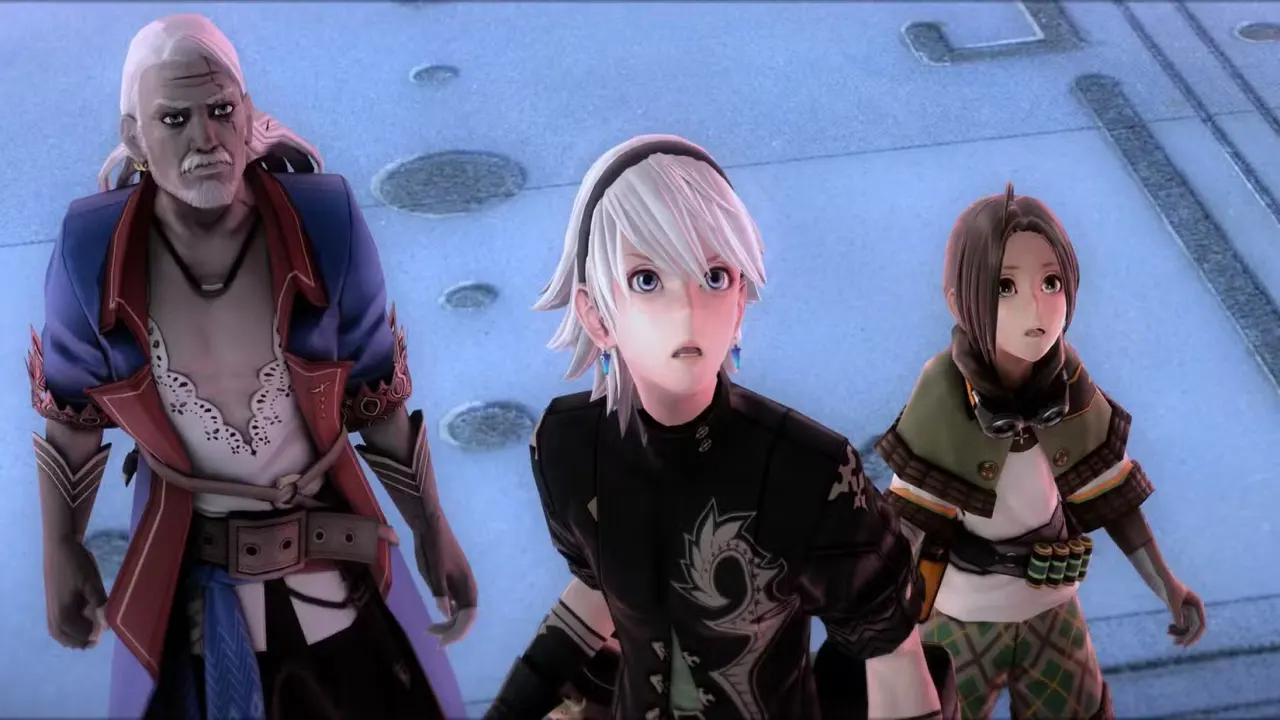
Art aficionados-slash-JRPG-fans rejoice: This game’s distinctive 160-plus locations are handmade dioramas that were photographed and converted into 3D worlds. Here, you play Leo, an amnesiac who sets out to recover his memories while a mechanical infection called Mechteria spreads across the land. Hironobu Sakaguchi produced it and wrote the story. He also included a scheduling trick: the Dimengeon Machine. This machine stores the enemies you’ve already fought, so you can reach chests and save points without stopping for random encounters. It also fills quickly late in the game, so empty it at the start of a long session and leave it on while you walk. Here’s your basic plan: Walk first, fight later.
4 Chained Echoes
Time to beat: 46.5 hours
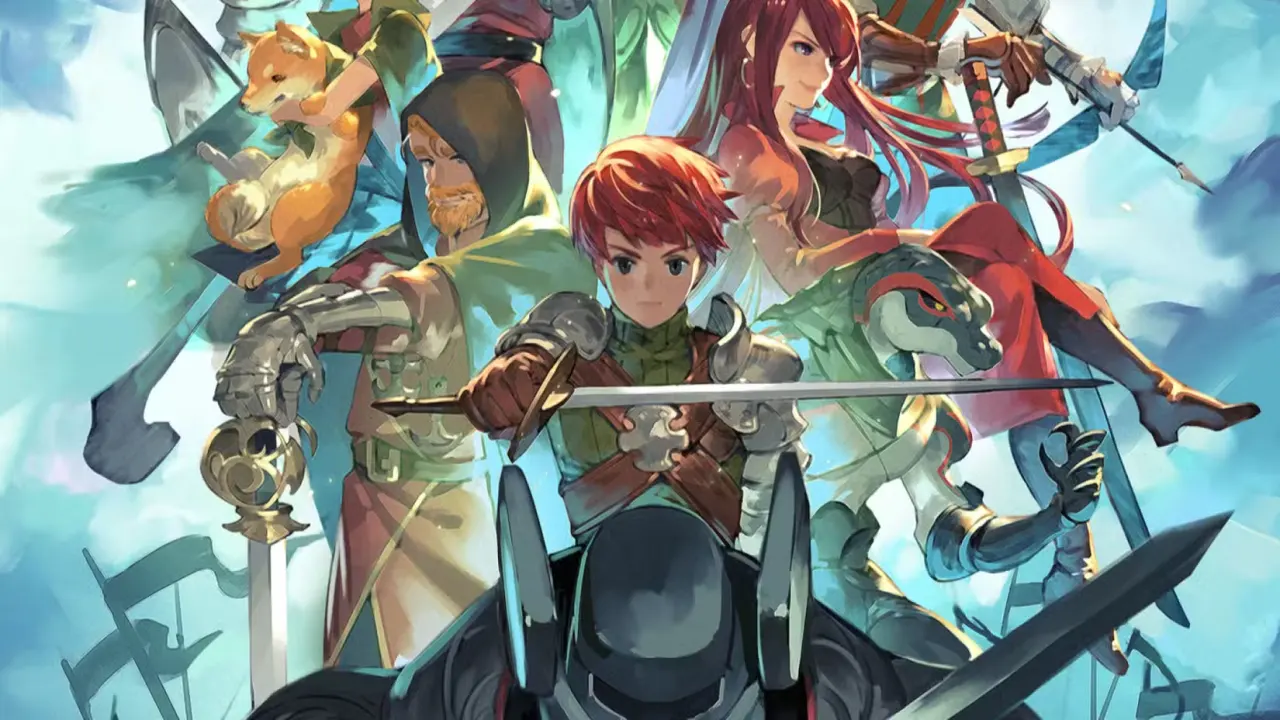
A magical explosion ends a war between three kingdoms while killing thousands. A mercenary named Glenn sets out to find and destroy the crystal weapon behind the detonation. He’s joined by a princess who left her castle to see the world and a master thief . There are fights with mechs in their future. Lots of them.
Chained Echoes is a 16-bit-style JRPG set on the continent of Valandis. While your characters are committed to fighting, you don’t have to be: This game allows you to skip random encounters, long treks to inns, and endless grinds. Enemies stay visible on the map, and your party recovers health between fights. You can save anywhere, and fast travel is free once the introductory sequence ends. Combat is turn-based and fast, and an Overdrive gauge keeps you thinking about which skills you use. Fight, save, and close the lid. Come back tomorrow (or whenever). Repeat.
3 Chrono Trigger
Time to beat: 26.5 hours
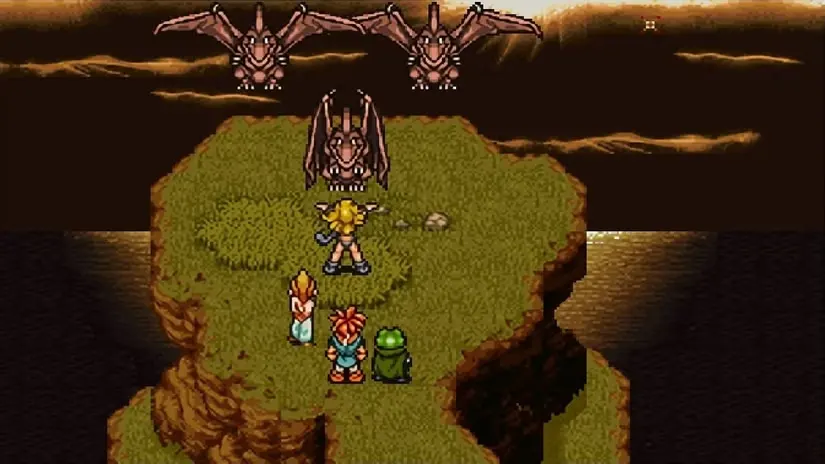
Crono goes to the Millennial Fair and ends up four centuries in the past. (We’ve all been there.) During a friend’s scientific demonstration, a girl named Marle is pulled through a time rift, and Crono follows. His chase to save Marle becomes a quest to save the planet’s future, with stops in prehistory, the Middle Ages, the distant future, and the End of Time. Chrono Trigger is one of the shortest games here, at about 16-32 hours for the main story. The Steam version saves your progress both at dedicated save points and when you quit. It also saves automatically as you move around the map. Know that time does keep moving while you’re in a fight, so make sure to hit pause whenever life interrupts. As it turns out, saving the future is easier when you can pause the present, anyway.
2 Octopath Traveler
Time to beat: 77 hours
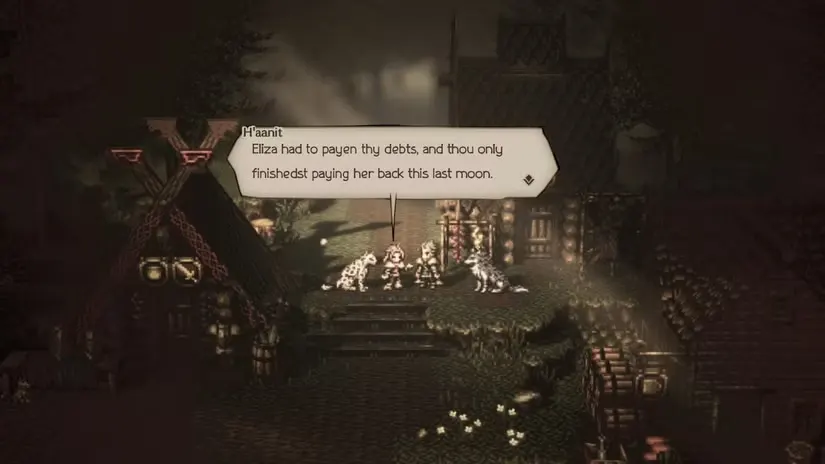
On the continent of Orsterra, Ophilia the cleric takes her church's pilgrimage, Cyrus the scholar hunts for a vanished tome, and Tressa the merchant follows the author of an anonymous diary. Olberic, a former knight, takes up his sword again when bandits kidnap a boy. Primrose the dancer plots revenge, Alfyn the apothecary wants to ease suffering, Therion the thief needs three Dragonstones to win his freedom, and H'aanit the hunter searches for her missing master.
Each of the eight heroes’ stories has four chapters. Nearly every chapter follows the same loop: Enter a town, talk to people, clear a dungeon, beat a boss. That makes each boss fight your stopping point. Recommended-level gates mean you'll rotate between heroes, so no single story stalls. Save at the white feather icons near dungeons and towns. Play through one chapter whenever you have a free-ish night, and Orsterra will be yours before you know it.
1 Live A Live
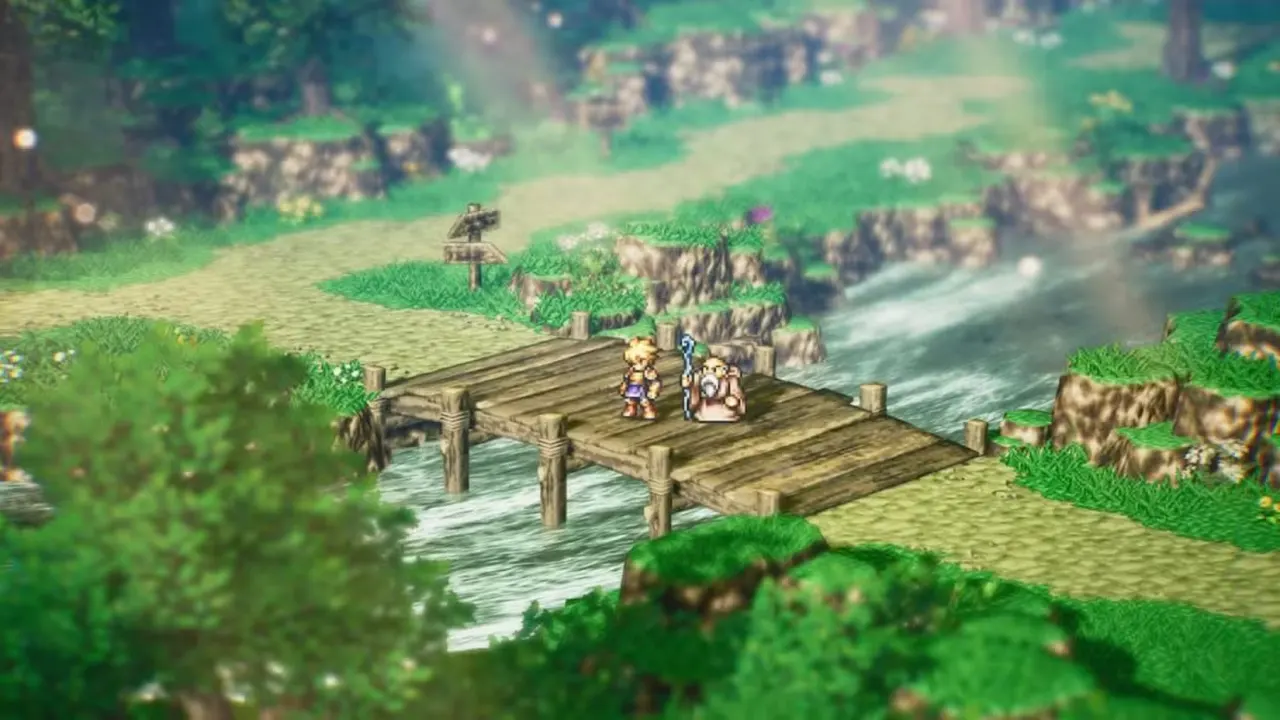
Time to beat: 25.5 hours
Can’t commit to one long story? Try seven short ones. Live A Live sends seven heroes through seven eras: a martial artist entering a global fighting tournament in the present day, a conflicted agent in the twilight of Edo Japan, a wanderer with a bounty on his head in the Wild West, a psychic in the near future, a spaceship crew whose AI turns lethal, a martial arts master in Imperial China searching for a disciple, and cavemen in prehistory. Each of the seven core chapters stands alone, so you can play them in any order. The gameplay in each chapter varies a bit: One is a straight run of fights that takes about a half hour. Others are mini RPGs with random encounters and some grinding, so perhaps it’s best to save those for a weekend.